
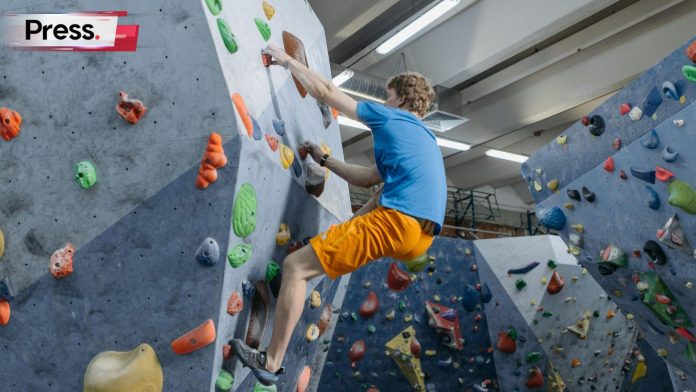
Key Takeaway
- Rock climbing in Malaysia is accessible through indoor gyms and natural limestone cliffs.
- Beginners should start indoors before progressing outdoors with proper training.
- Klang Valley, Penang, and Johor Bahru host modern climbing gyms.
- Indoor gym entry typically ranges from RM36 to RM57.
- Climbing improves strength, coordination, and mental focus while fostering a strong social culture.
Table of Contents
ToggleRock climbing in Malaysia has grown rapidly, supported by modern indoor gyms and world-class limestone formations. Beginners can enter the sport safely indoors before advancing to outdoor sport climbing with proper instruction and equipment.
What Is Rock Climbing In Malaysia?
Rock climbing is a sport that involves ascending natural rock formations or artificial walls using physical strength, balance, technique, and problem-solving.
In Malaysia, climbing spans two main environments:
- Indoor climbing gyms, which provide controlled settings with safety systems and graded routes
- Outdoor limestone crags, particularly around Selangor and Penang, where climbers scale natural rock faces
Malaysia’s limestone geology has made it a recognised climbing destination in Southeast Asia, while urban gyms have significantly lowered the entry barrier.
How Does Rock Climbing Work?
Climbers ascend pre-set routes by using holds, footholds, and body positioning while managing safety through mats or rope systems.
Indoor climbing usually includes:
- Bouldering, which uses low walls and thick mats without ropes
- Top-rope climbing, where the rope runs through an anchor at the top of the wall
Outdoor climbing typically uses sport climbing systems, where climbers clip into fixed bolts drilled into the rock and are belayed by a partner.
Each route requires planning movements in advance, testing grip strength, and maintaining balance under fatigue.
Read more: Stepper Exercise: The Most Practical Cardio Workout
Where Should Beginners Start Climbing In Malaysia?
Indoor climbing gyms are the safest and most effective starting point for beginners.
They provide:
- Structured route grading
- Safety briefings
- Equipment rental options
- Controlled environments without weather risk
Many first-time climbers start with bouldering due to its simplicity and lower technical barrier.
Popular Indoor Climbing Gyms In Malaysia
Gym | Area | Typical Entry Range |
Camp5 Climbing Gym | Klang Valley & Penang | ~RM57 for beginner sessions |
Batuu Climbing | 3 Damansara | ~RM36 to RM46 day pass |
Summit Climbing Gym | USJ | As low as RM6 to RM10 off-peak |
Bump Bouldering | Jaya One | Varies by session |
B-Hub Bouldering | Petaling Jaya | Varies by pass type |
Pricing varies by location, age group, and time of entry. Introductory sessions often include basic instruction and equipment use.
What Outdoor Rock Climbing Spots Are Popular In Malaysia?
Malaysia’s outdoor climbing scene is centred around limestone cliffs with bolted sport routes.
1. Batu Caves, Selangor
Batu Caves is Malaysia’s most developed outdoor climbing area, with over 330 documented routes.
- Wide grade range from beginner to advanced
- Short approaches from parking areas
- Popular among local and visiting climbers
2. Bukit Takun, Rawang
- Tall limestone walls
- Requires access registration
- Suitable for intermediate to advanced climbers
3. Penang Climbing Areas
- Smaller granite and limestone formations
- Scenic routes near coastal and forest areas
- Less crowded than Klang Valley crags
Outdoor climbing is typically free at public crags, though some locations may require small access or conservation fees. Guided climbs are available for beginners who want instruction.
How Much Does Rock Climbing Cost In Malaysia?
Costs depend on location, experience level, and whether instruction is included.
Typical Cost Breakdown
Activity | Estimated Cost |
Indoor gym entry | RM36 to RM57 per session |
Beginner indoor course | Around RM150 excluding entry |
Equipment rental | Often included for beginners |
Guided outdoor climbing | Higher depending on provider |
Climbing Shoes (Beginner) | RM 350.00 – RM 650.00 |
Harness (Standard) | RM 250.00 – RM 450.00 |
Indoor climbing is surprisingly affordable when compared to specialized fitness boutique classes. Most gyms offer “off-peak” rates or multi-pass packages that can bring the per-visit cost down to RM25.00.
Outdoor climbing itself is often free, but guided sessions and courses include instructor fees and equipment use.
What Equipment Do You Need For Rock Climbing?
Beginners typically rely on rental gear before investing in personal equipment.
Climbing Shoes
These use sticky rubber soles and are meant to fit snugly, allowing you to stand on small edges. In Malaysia’s warm climate, breathable synthetic materials are often more comfortable than leather.
Chalk and Chalk Bag
Chalk absorbs sweat and improves grip. With Malaysia’s humidity, chalk is essential for holding both plastic gym holds and natural rock.
Harness
A harness supports your waist and legs and spreads the force of a fall evenly. Always choose one that is UIAA or CE certified.
Belay Device (such as an ATC or GriGri)
This device adds friction to the rope so a partner can safely catch a fall with controlled effort.
Helmet (for outdoor climbing)
A helmet protects against falling rocks and accidental impacts and is strongly recommended outdoors.
Soft goods like harnesses and ropes generally have a lifespan of 5–10 years, even without visible damage.
How Safe Is Rock Climbing In Malaysia?
Rock climbing is considered safe when standard safety systems are followed consistently.
Climbing uses redundant safety protocols, resulting in an estimated injury rate of 2–4 injuries per 1,000 climbing hours — lower than many contact sports.
Core Safety Protocols Every Climber Follows
- The Double Figure-Eight Knot
This is the standard knot used to tie into a harness. It is easy to check visually and remains secure under load. - Clear Belay Communication
Standard commands such as “On belay?” and “Belay on!” confirm that both climber and belayer are ready before any movement begins. - Controlled Lowering
Climbers are lowered at a steady, walking pace to prevent rope burns and reduce the risk of hard landings.
Indoor gyms reduce risk through padded flooring and staff oversight. Outdoor climbing requires additional awareness of weather, rock quality, and access rules.
How Do You Train And Improve Your Rock Climbing Technique?
Effective climbing progress comes from combining smart training with efficient movement, not brute strength.
Key Training Focus Areas
- Grip and forearm endurance built through frequent climbing rather than isolated exercises
- Core strength to maintain body tension and stability
- Accurate foot placement to reduce strain on the arms
- Route reading skills to plan movements before leaving the ground
Consistent time on the wall delivers better results than short bursts of strength training, especially in the early stages.
Essential Technique Principles To Learn Early
Improvement accelerates once climbers stop trying to pull themselves upward and start using their legs to push their weight.
The moment you stop pulling and start trusting your feet is the moment climbing begins.
- Silent Feet
Place your feet quietly and deliberately on each hold. This forces precision and conserves energy. - Straight Arms
Keep your arms straight whenever possible. This lets your skeleton carry the load instead of overworking your muscles. - Center of Gravity Control
Keep your hips close to the wall. This shifts weight over your feet, allowing your legs to do most of the work. - Resting On The Wall
Learn to recognise positions where you can pause, hang on one arm, and shake out the other to restore blood flow to tired forearms.
These skills are best practised on easier routes, where focus stays on movement rather than survival.
How To Transition From Indoor To Outdoor Climbing?
Moving from a gym to real rock requires new skills and a different mindset. Outdoors, you are responsible for your own safety, your impact on nature, and your decisions on the wall.
Unlike indoor routes, outdoor rock is not colour-coded. You must learn to read the rock itself — spotting cracks, edges, and textures — while managing changing weather and natural hazards.
Steps To Start Outdoor Climbing Safely
- Take an Outdoor Lead Course
Learn how to clip your rope into bolts, manage lead falls, and safely clean anchors at the top of a route. - Hire a Guide or Join a Climbing Group
Local organisations such as the Malaysian Climbing Federation (PMM) often organise outdoor trips where experienced climbers mentor beginners. - Learn Limestone Safety
Malaysian limestone can be sharp and brittle. Always wear a helmet and learn how to identify loose or hollow rock before committing to a move.
For many climbers, this transition is where the sport truly comes alive. Climbing routes established decades ago connects you to Malaysia’s early climbing pioneers and turns familiar limestone hills into meaningful challenges rather than just scenery.
Do’s And Don’ts Of Rock Climbing
Good habits reduce risk, improve performance, and help protect both climbers and equipment.
Do’s
- Perform a partner check before every climb, confirming knots, harness buckles, and belay setup
- Warm up properly to reduce the risk of finger, elbow, and shoulder injuries
- Stay hydrated, especially outdoors, where humidity and heat increase fatigue
- Use chalk effectively, including liquid chalk as a base layer in humid conditions
- Report loose bolts or spinning holds to gym staff or route setters immediately
- Ask for guidance from staff or more experienced climbers when unsure
Don’ts
- Do not skip safety briefings or checks, even on familiar routes
- Avoid outdoor climbing without proper training in knots, belaying, and route assessment
- Do not step on climbing ropes, as dirt can damage the rope’s internal core
- Do not wear climbing shoes off the wall, especially to restrooms, as the rubber wears quickly
- Avoid climbing directly above or below another person on outdoor routes
- Do not ignore pain or early injury signs, as rest is a critical part of long-term progress
Following these simple rules creates a safer climbing environment and helps you progress steadily without unnecessary setbacks.
Health, Physical, And Mental Benefits Of Rock Climbing
Rock climbing combines full-body fitness with mental focus, offering benefits that traditional workouts often miss.
Benefit Area | What Climbing Improves | How It Shows Up In Real Life |
Upper & Lower Body Strength | Arms pull, legs push, and the core stabilises every movement | Everyday tasks feel lighter; stairs and hills require less effort |
Core Stability | Continuous engagement of abdominal and lower back muscles | Better posture and reduced lower-back stiffness from desk work |
Grip & Forearm Endurance | Sustained holding and controlled movement build hand strength | Improved grip strength for daily activities and sports |
Flexibility & Mobility | High steps and wide stances increase hip and hamstring range | Easier movement after long hours sitting in traffic or at a desk |
Cardiovascular Fitness | Sustained climbs elevate heart rate over time | Noticeable stamina improvements without repetitive cardio |
Calorie Burn | High energy demand during continuous movement | Around 700+ calories per hour for a 70kg climber, depending on intensity |
Problem-Solving Skills | Planning and adjusting movement sequences in real time | Sharper decision-making and focus under pressure |
Mental Resilience | Managing fear, fatigue, and focus at height | Increased confidence and calm in stressful situations |
Mindful Stress Relief | Full attention required during climbs | Mental reset from emails, screens, and daily noise |
For many people spending long workdays in KL or PJ, climbing offers a rare combination of movement and mental clarity. When you are several metres off the ground figuring out your next move, everything else fades out. That focus, paired with the satisfaction of completing a route after multiple attempts, is a big part of what keeps climbers coming back.
What Is Rock Climbing Culture Like In Malaysia?
The climbing community has grown rapidly, especially in Klang Valley and Penang.
- Gyms now host social climbing nights and competitions
- Online groups organise outdoor trips
- Climbers range from students to working professionals
It’s common to see climbers squeezing in evening sessions after work, chalk still on their hands while searching for parking in PJ malls at peak hour.
Final Thoughts
Rock climbing in Malaysia blends physical challenge, mental focus, and outdoor exploration. From indoor gyms that ease beginners into the sport to limestone cliffs that test experienced climbers, the scene continues to grow in depth and accessibility.
For more info, follow PR agency Malaysia.
Disclaimer: All of the content was thoroughly fact-checked and verified by our editorial team to ensure accuracy, clarity, and reliability.
Legal Disclaimer: All brand names, trademarks, and logos displayed on this website are the intellectual property of their respective owners. Their use herein is solely for identification purposes without written consent or direct affiliation from the respective owner.
Frequently Asked Questions About Rock Climbing In Malaysia
Is there an age limit for rock climbing in Malaysia?
There’s no strict upper age limit. Many gyms in Malaysia have active climbers in their 60s. Children can usually start from around age 5, as long as they fit into a child-sized harness and can follow instructions.
Do I need to do pull-ups before I start climbing?
No. Climbing relies more on leg strength, balance, and core control than arm power. Upper body strength develops naturally as you climb more.
What should I wear for my first climbing session?
Wear comfortable, breathable sportswear. Long pants or leggings are recommended to protect your knees from rough wall surfaces. Avoid loose jewellery and tie back long hair.
Are Malaysian limestone crags suitable for beginners?
Some areas, such as Damai Wall at Batu Caves, have beginner-friendly routes. However, beginners should always climb outdoors with an experienced partner or a local guide.
How often should I climb to improve?
Two to three sessions per week is ideal. This gives your body time to recover while keeping your technique and finger strength progressing.