Key Takeaway
- Leg day workout builds strength and balance for both gym performance and daily life.
- Beginners should focus on compound lifts like squats and lunges before adding isolation exercises.
- Consistency matters more than intensity for long-term growth.
- Malaysian lifestyle factors like long commutes, humid evenings, and quick breakfasts can affect training choices.
- Smart planning helps avoid skipped sessions when life gets busy.
Table of Contents
ToggleA leg day workout strengthens your lower body, improves balance, and supports everyday movements — making it essential for health, fitness, and long-term strength.
What Is The Best Leg Day Workout For Beginners?
Start with squats, lunges, and calf raises.
These movements target major leg muscles and build a strong foundation.
Beginners often skip leg day because it feels tougher than upper-body workouts. But starting simple ensures better form and prevents injury. Squats engage the quadriceps, hamstrings, and glutes, while lunges train balance and mobility. Calf raises finish the routine by strengthening the often-neglected calves.
Daily context in Malaysia:
Imagine leaving your office at Menara Maybank after a 9-to-6 shift. The Federal Highway traffic means you’ll only reach the gym by 8pm. A short but structured workout — 3 exercises done well — is more sustainable than a complicated program that takes 90 minutes.
How Can You Maximise Leg Day Results?
Focus on progressive overload.
Gradually increase weight, reps, or sets each week.
Why it works: Muscles adapt to stress. Without gradual increases, progress stalls. By tracking your lifts (even in a small notebook or fitness app), you create a clear path for strength and size.
✅ Good example: Adding 2.5kg to your squat every 2 weeks.
❌ Bad example: Randomly switching between 5 different squat variations every session without progress tracking.
This structured approach helps even if your schedule is tight. If Selangor humidity makes evening training tough, you can still progress with lighter weights done consistently in an air-conditioned gym.
Read more: Biceps Workout: Building Bigger, Stronger Arms
Which Exercises Should You Prioritise On Leg Day?
Prioritise compound lifts.
They deliver the most results in less time.
Here are the core movements:
- Barbell Squat – King of leg exercises.
- Romanian Deadlift – Strengthens hamstrings and glutes.
- Walking Lunge – Adds balance and stability.
- Leg Press – Great for controlled strength building.
- Calf Raise – Essential for ankle stability.
Comparison Table: Compound vs Isolation
Exercise Type | Examples | Benefits | When to Use |
Compound Lifts | Squat, Deadlift, Lunge | Work multiple muscles at once | Every workout |
Isolation Moves | Leg Curl, Leg Extension | Target one muscle specifically | As add-ons |
In a Malaysian context, if you only have 45 minutes after a long commute from Cheras to Damansara, compound lifts are time-efficient and impactful.
How To Perform Leg Day Exercises Safely?
Focus on controlled form over heavy weights. Good technique ensures progress while keeping your joints and muscles safe.
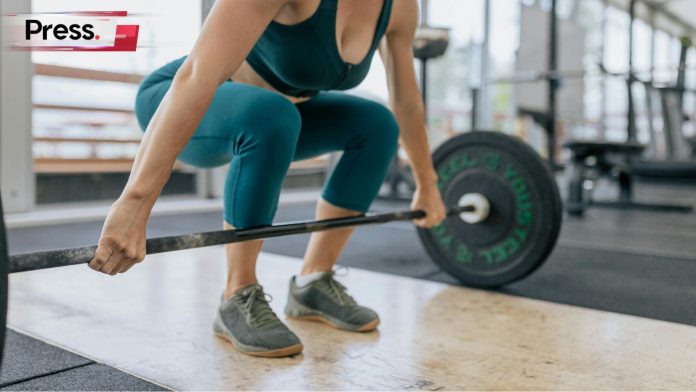
Barbell Squat
How to do it safely:
- Keep feet shoulder-width apart.
- Rest the barbell across your upper back, not your neck.
- Engage your core before descending.
- Lower until thighs are parallel to the ground, then push through your heels to rise.
Do not let your knees cave inward, keeping heels flat, and avoiding excessive forward lean. Many Malaysians squat after long office hours, so warming up with bodyweight squats first helps loosen stiff hips from sitting all day.
Romanian Deadlift
How to do it safely:
- Hold the barbell with both hands in front of thighs.
- Keep knees slightly bent (not locked).
- Push hips back as you lower the bar to shin level, keeping your back straight.
- Engage hamstrings and glutes to return upright.
Never hunch or round your back, controlling the descent, and not lowering past flexibility limits. If humidity makes your grip sweaty, chalk or lifting straps can prevent bar slips.
Walking Lunge
How to do it safely:
- Stand tall with dumbbells (optional) by your side.
- Step forward and bend both knees to 90 degrees.
- Push through the front heel to step into the next lunge.
Avoid overstriding, keeping the torso upright, and controlling the step. If balance is tricky after a long day sitting in traffic, start with bodyweight only before adding weights.
Leg Press
How to do it safely:
- Sit with back flat against the seat.
- Place feet shoulder-width apart on the platform.
- Lower the weight until knees are at 90 degrees.
- Push through your heels to extend legs without locking knees.
Avoid lowering so deeply that hips lift off the seat, avoiding locked knees, and not piling on too much weight. This machine is tempting after a tiring day because it feels “easier” than squats, but control is key.
Calf Raise
How to do it safely:
- Stand on a step with heels hanging slightly off.
- Push up onto your toes, pause, then slowly lower.
- Keep movements steady and controlled.
Do not bounce at the bottom, using full range of motion, and avoiding excessive weights too early. For commuters who walk a lot between MRT stations, strong calves help prevent ankle strains.
Perfect form keeps your leg day workout safe, effective, and sustainable
How Do You Avoid Skipping Leg Day?
Plan around your lifestyle.
Set fixed training days that match your work and traffic schedule.
Why it works: Skipping often happens when workouts clash with personal commitments. For example:
- If you know Friday evenings mean 2 hours in KL traffic, avoid scheduling leg day then.
- If you prefer mornings, a quick pre-work squat session after a light roti canai breakfast might work better.
This flexibility ensures you hit your workouts without feeling guilty or rushed.
What Is The Best Rep Range For Muscle Growth On Leg Day?
Aim for 6–12 reps per set for optimal hypertrophy.
This range creates the right balance between lifting heavy enough to stimulate growth and doing enough repetitions to build muscle endurance.
Why the 6–12 Rep Range Works
- Muscle Tension and Mechanical Load
- Lower reps (1–5) use very heavy weights, which mainly build neural strength and power.
- Higher reps (15–20+) often use lighter loads, which increase muscular endurance but don’t provide enough tension for growth.
- The 6–12 range provides just enough tension to damage muscle fibers safely, which is essential for hypertrophy.
- Metabolic Stress (The “Pump”)
- Moderate reps keep your muscles under tension for longer, creating the burning sensation many lifters call “the pump.”
- This metabolic stress triggers hormonal responses and cellular changes that encourage muscle growth.
- Time Efficiency for Busy Lifestyles
- Malaysians often juggle long commutes and late gym sessions.
- Sticking to 3–4 sets in the 8–10 rep range means you get enough volume for results without being stuck in the gym for 2 hours.
- Recovery and Sustainability
- Heavy 3–5 rep sessions can be taxing on joints, especially after sitting all day in an office chair or driving through KL traffic.
- Extremely high reps (15–20) leave your legs burning but don’t build size as efficiently.
- The 6–12 range provides a balance — challenging but still recoverable for the average working adult.
Practical Example
- Squats: 4 sets of 8 reps at moderate weight = strength + size.
- Lunges: 3 sets of 10 steps per side = stability + hypertrophy.
- Calf Raises: 3 sets of 12 reps = endurance + definition.
What Is A Simple Leg Day Workout Routine?
Follow a balanced 45-minute routine.
Here’s a sample:
- Squats – 4 sets of 8–10 reps
- Romanian Deadlifts – 3 sets of 10 reps
- Walking Lunges – 3 sets of 12 steps each side
- Leg Press – 3 sets of 12 reps
- Standing Calf Raises – 3 sets of 15 reps
This covers all major muscle groups. Even on a weekday evening after battling KL traffic, this routine is short enough to complete before gym closing time.
How Does Nutrition Affect Leg Day Performance?
Fuel your body with balanced meals.
- Pre-workout: Banana or oats with coffee (quick energy).
- Post-workout: Chicken rice or nasi lemak (protein + carbs).
Why it works: Your body needs energy to lift and nutrients to recover. Malaysians often train after work, so choosing a meal that digests quickly before the gym (instead of a heavy dinner) makes leg day more effective.
Example micro-emotion: The quiet relief of sitting at a mamak at 11pm after training, sipping teh o ais while your legs are still shaky from squats.
What Are Common Mistakes People Make On Leg Day?
Avoid poor form, rushing, and neglecting recovery.
- ❌ Skipping warm-ups
- ❌ Ego lifting (adding too much weight)
- ❌ Neglecting calves and hamstrings
- ❌ Training legs once a month only
✅ Instead: Warm up with bodyweight squats, focus on form, and train legs at least once a week.
Mistakes are common when people feel drained after long days in the office. Planning short, structured workouts makes leg day achievable even during a busy week.
How Can You Stay Motivated For Leg Day?
Set realistic goals and track progress.
- Take progress photos monthly.
- Log lifts to see strength gains.
- Train with a partner for accountability.
- Celebrate small wins (like finding parking near the gym on the first try after work).
Motivation grows when you see results. Even small improvements, like adding one extra rep, matter over time.
Summary
A leg day workout is more than just building strong legs — it supports your daily routine, from climbing stairs at the LRT station to carrying groceries after work.
Consistency, smart planning, and adapting to Malaysia’s unique lifestyle challenges are the keys to success.
For expert content strategy that ranks as strong as your leg day workout routine, connect with PR Agency Malaysia today.
Disclaimer: All of the content was thoroughly fact-checked and verified by our editorial team to ensure accuracy, clarity, and reliability.
FAQs About Leg Day Workout
What Is A Leg Day Workout?
A leg day workout is a structured training session focused on strengthening lower-body muscles like quads, hamstrings, calves, and glutes.
How Often Should You Do Leg Day?
Aim for 1–2 sessions per week, depending on your recovery. For beginners, once a week is enough to build consistency.
What Is The Most Effective Leg Day Exercise?
The squat is the most effective exercise because it targets multiple leg muscles and mimics natural movements like sitting and standing.
Is Leg Day Workout Important For Weight Loss?
Yes. Training large muscle groups burns more calories and boosts metabolism, making leg day valuable for fat loss.
Can I Do Leg Day At Home Without Equipment?
Yes. Bodyweight squats, lunges, wall sits, and calf raises can all be done at home, making it flexible for those without gym access.