Key Takeaway
- Lean bulking builds muscle with minimal fat gain by controlling calories, protein timing, and training intensity.
- A small, controlled calorie surplus works better than overeating, especially with Malaysian food habits.
- Protein distribution, strength progression, and recovery matter more than supplements.
- Consistency beats aggressive bulking, especially for working adults balancing gym, traffic, and family.
- Lean bulking is slower but more sustainable and avoids long, miserable cutting phases.
Table of Contents
ToggleLean bulking is a muscle-building approach that increases muscle mass while keeping fat gain as low as possible through controlled calories, structured training, and disciplined recovery.
Unlike traditional bulking, lean bulking focuses on precision rather than excess. It aims to give your body just enough energy to build muscle without spilling over into unnecessary fat storage.
This approach suits people who:
- Train consistently, but do not want drastic fat gain
- Prefer steady visual improvement
- Want clothes to fit better rather than looser every month
- Have limited time to diet aggressively later
In Malaysia, where meals often involve rice, sauces, and shared dishes, lean bulking offers structure without requiring extreme food restrictions.
“Lean bulking feels less dramatic, but it is far easier to maintain when life includes late meetings, family dinners, and unpredictable gym schedules.”
How Does Lean Bulking Work?
Lean bulking works by maintaining a small calorie surplus while prioritising progressive strength training and adequate protein intake.
Instead of overeating, the goal is to eat slightly above maintenance calories. This surplus fuels muscle growth while limiting fat storage.
The Core Mechanism
- Muscles grow when training creates stimulus
- Food supplies the raw materials
- Recovery turns stimulus into muscle tissue
A lean bulk succeeds when all three stay balanced.
If calories are too high, excess energy becomes body fat. If calories are too low, muscle growth stalls
This balance is especially relevant for Malaysians who:
- Sit for long hours at work
- Commute through traffic
- Train 3 to 5 times per week at most
The quiet satisfaction of finishing a solid workout before the evening jam on LDP often matters more than chasing extreme numbers.
What Is The Ideal Calorie Surplus For Lean Bulking?
A good starting point for a lean bulk is roughly 200 to 300 calories above your maintenance level per day (about 5–10% above maintenance for many people).
This range usually provides enough energy for muscle growth without pushing the body into aggressive fat storage. From there, you adjust based on how your body weight, waist measurement, and strength change over a few weeks.
Why A Small Surplus Wins
- Muscle growth is a slow biological process
- The body cannot convert unlimited calories into muscle
- Excess calories are stored as fat regardless of training
For most Malaysians, maintenance calories already fluctuate due to:
- Inconsistent meal times
- Social eating
- Mixed activity levels
A modest surplus allows flexibility without derailing progress.
- Adding an extra serving of eggs at breakfast
- Including a post-workout banana and whey shake
- Slightly increasing rice portions on training days
Not every day needs to be perfect. Consistency across weeks matters more than daily precision.
How Much Protein Do You Need For Lean Bulking?
Lean bulking typically requires around 1.6 to 2.2 grams of protein per kilogram of body weight per day.
Protein supports muscle repair, growth, and recovery. Without enough protein, extra calories will not translate into muscle.
Protein Distribution Matters
Instead of loading protein into one meal:
- Spread intake across 3 to 5 meals
- Include protein in every main meal
- Use snacks strategically
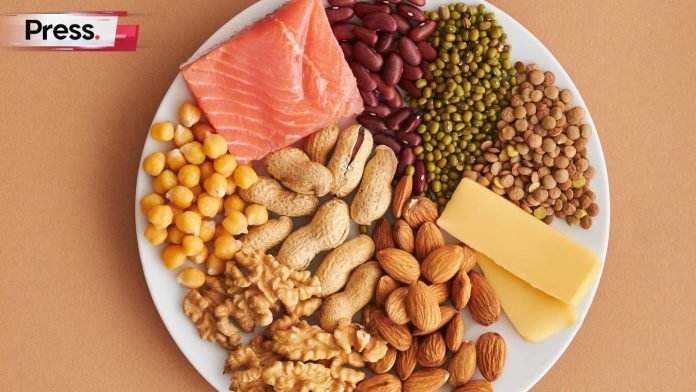
Common Malaysian Protein Sources
- Eggs
- Chicken breast or thigh without skin
- Ikan kembung or ikan tenggiri
- Tempeh and tofu
- Greek yoghurt
- Whey protein for convenience
Standing at a mamak choosing between fried chicken and grilled fish becomes an intentional decision rather than a restrictive one.
What Training Style Is Best For Lean Bulking?
Progressive resistance training with moderate volume and controlled intensity is best for lean bulking.
The goal is to signal muscle growth consistently without excessive fatigue.
Training Principles That Matter
- Progressive overload on key lifts
- Compound movements as foundation (squats, presses, rows, deadlifts)
- Controlled tempo and proper form
- Adequate rest between sets
Effective Weekly Structure
- 3 to 5 training sessions per week
- Each muscle group is trained at least twice weekly
- Focus on strength progression over pump chasing
You do not need marathon gym sessions. A focused 60-minute workout after work can outperform unfocused two-hour sessions.
The relief of finding parking close to the gym entrance after sunset often sets the tone for training quality.
How Long Should A Lean Bulk Last?
A lean bulk will often last at least 12 to 24 weeks, and can continue longer depending on your training experience and body composition.
Shorter bulks often end before meaningful muscle gain occurs. Longer bulks simply require regular progress checks so that weight gain doesn’t outrun strength and performance.
Signs Your Lean Bulk Is Working
- Strength is increasing gradually
- Measurements increase slowly
- Clothes fit tighter around the shoulders and chest
- Minimal increase in waist measurement
Signs To Adjust
- Rapid weight gain
- Waist size is increasing faster than strength
- Constant fatigue or bloating
Regular check-ins every 2 to 4 weeks help maintain control without obsessing.
Lean Bulk Vs Dirty Bulk: What Is The Difference?
Lean bulking prioritises muscle gain with minimal fat, while dirty bulking prioritises rapid weight gain regardless of fat accumulation.
Lean Bulk Vs Dirty Bulk
Aspect | Lean Bulk | Dirty Bulk |
Calorie Surplus | Small and controlled | Large and uncontrolled |
Fat Gain | Minimal | High |
Food Quality | Mostly whole foods | Often processed |
Visual Changes | Gradual and steady | Fast but messy |
Cutting Phase Needed | Short or none | Long and aggressive |
Lean bulking suits individuals who value long-term sustainability over quick scale changes.
What Foods Should You Eat During A Lean Bulk?
Lean bulking works best with nutrient-dense foods that provide protein, carbohydrates, and healthy fats without excessive calories.
Foods To Prioritise
- Lean meats and fish
- Rice, oats, potatoes
- Fruits and vegetables
- Nuts in controlled portions
- Dairy or fortified alternatives
Foods To Limit
- Sugary drinks
- Deep-fried foods
- Excess sauces and gravies
- Mindless snacking
Enjoying nasi campur remains possible by choosing grilled protein and controlled rice portions rather than eliminating favourites.
Do’s And Don’ts Of Lean Bulking
Follow these to stay lean while building muscle.
Do’s
- Do track body weight weekly
- Do prioritise sleep and recovery
- Do increase calories gradually
- Do focus on strength progression
- Do stay hydrated in humid weather
Don’ts
- Do not chase rapid scale increases
- Do not rely solely on supplements
- Do not skip vegetables
- Do not train every session to failure
- Do not compare progress to others
Consistency over months beats intensity over weeks.
How Does Sleep And Recovery Affect Lean Bulking?
Muscle growth occurs during recovery, not during training.
Without sufficient sleep:
- Hormones that support muscle growth decline
- Appetite regulation suffers
- Training quality drops
Recovery Habits
- Aim for 7 to 8 hours of sleep
- Maintain consistent sleep timing
- Light stretching on rest days
- Short walks after meals
The calm of settling into bed after a long day often determines the quality of tomorrow’s workout.
What Supplements Help With Lean Bulking?
Supplements support lean bulking only when diet and training are already consistent.
Useful Supplements
- Whey protein for convenience
- Creatine monohydrate for strength and performance
- Omega-3 if fish intake is low
Read More: Whey Protein Malaysia: How to Choose to Maximise Results
Supplements To Be Cautious With
- Mass gainers
- Fat burners
- Overpriced blends with unclear benefits
Food quality and training discipline always matter more than supplement stacks.
How Do You Track Progress During A Lean Bulk?
Progress tracking ensures muscle gain stays ahead of fat gain.
What To Monitor
- Body weight weekly
- Waist measurement every 2 to 4 weeks
- Strength numbers on key lifts
- Progress photos monthly
Avoid daily scale obsession. Weekly trends offer better clarity.
Can Beginners Lean Bulk Successfully?
Yes. Beginners often experience faster muscle gain with minimal fat, even at slightly higher calorie surpluses.
Early adaptations make lean bulking more forgiving. However, habits formed early influence long-term outcomes.
Learning portion control at the start prevents unnecessary cutting later.
Lean Bulking For Busy Working Adults
Lean bulking fits well into busy schedules because it prioritises structure over extremes.
Meal prep can be simple:
- Rice cooker meals
- Air fryer proteins
- Grab-and-go protein snacks
Training sessions remain focused rather than time-consuming.
Summary
Lean bulking is one of the most sustainable ways to build muscle while maintaining confidence in how you look and feel.
It respects real-life constraints:
- Work commitments
- Family meals
- Limited recovery windows
Progress may feel slower, but it accumulates quietly and consistently.
If you are ready to apply lean bulking with structure, discipline, and realistic expectations, guidance matters. A well-planned approach ensures effort translates into results rather than frustration. For more information, be sure to follow PR agency Malaysia.
Disclaimer: All of the content was thoroughly fact-checked and verified by our editorial team to ensure accuracy, clarity, and reliability.
FAQs About Lean Bulk
Is Lean Bulking Better Than Cutting First?
Lean bulking is often better if body fat is moderate and training consistency is high.
How Much Weight Should I Gain Per Month During A Lean Bulk?
A practical target for most people is to gain around 0.25–0.5% of their body weight per week.
Can I Lean Bulk Without Tracking Calories?
Yes, but results usually improve with at least portion awareness.
Does Lean Bulking Work Without Supplements?
Yes. Supplements are optional, not required. Focus on whole-food protein, consistent training, sleep, and recovery.
Is Lean Bulking Suitable For Malaysians With Rice-Based Diets?
Yes. Rice can support training when portions are controlled, and protein intake is sufficient.