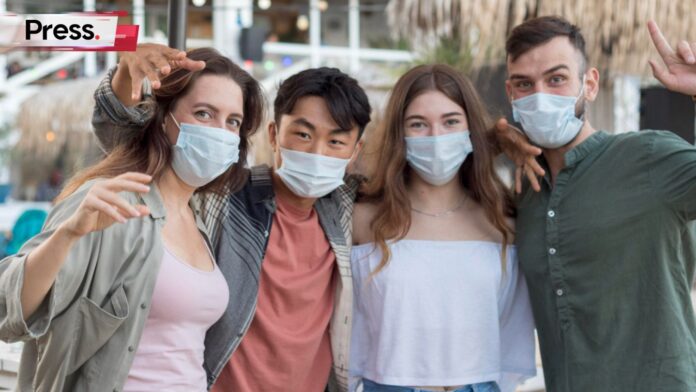
The best way to protect yourself from haze in Malaysia is to reduce your exposure to polluted air, monitor the local Air Pollutant Index (API), avoid strenuous outdoor activity when conditions worsen and keep indoor air as clean as possible.
That’s pretty important advice right now.
Malaysia is experiencing a significant haze episode in August 2026. On 26 August, multiple monitoring stations were still recording Unhealthy air quality, with affected areas across Sarawak, the Klang Valley and other parts of the country.
Haze is more than an inconvenience that makes the skyline look grey. Fine particles in polluted air can irritate the eyes, nose and throat and may worsen respiratory or cardiovascular problems.
You cannot control the haze itself, but you can control how much polluted air you are exposed to.
What Malaysia’s API Reading Means
Malaysia uses the Air Pollutant Index (API), or Indeks Pencemaran Udara (IPU), to communicate air quality and potential health risks.
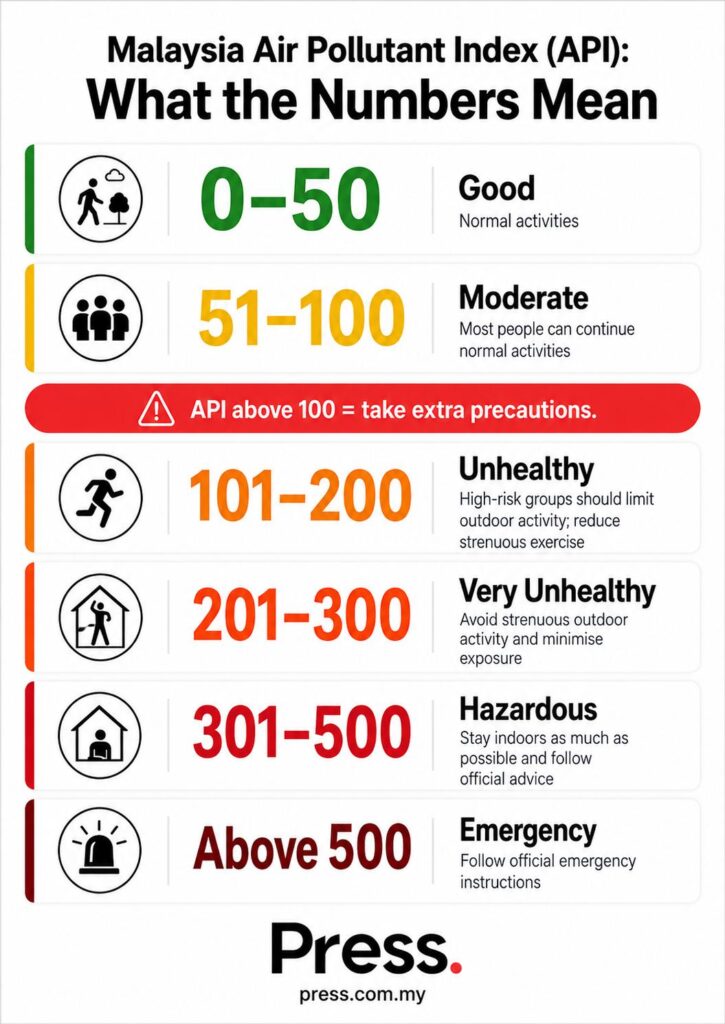
The number most Malaysians should remember is 100.
Once the API moves above 100, high-risk groups should limit outdoor activity, while everyone should reduce strenuous outdoor exercise.
Because haze levels can vary between locations, always check the monitoring station nearest to you rather than assuming conditions are the same across an entire state.
What Should You Do When The API Goes Above 100?
You don’t necessarily HAVE to stay indoors all day as soon as the API reaches 101, but it’s sensible to reduce unnecessary exposure.
The Ministry of Health advises higher-risk groups to limit outdoor activity when air quality is unhealthy, while everyone should cut back on strenuous outdoor activity.
A practical response is to:
- Check the API before leaving home. Conditions can change throughout the day and differ from one area to another.
- Move strenuous exercise indoors. Replace outdoor runs, cycling or sports with indoor alternatives where possible.
- Keep outdoor trips short. Avoid spending longer outside than necessary when air quality is poor.
- Pay attention to symptoms. Persistent coughing, wheezing, chest discomfort or breathing difficulty should not be ignored.
The aim is not to stop living normally, but to reduce the amount of polluted air you breathe when conditions are unhealthy.
Read More: Work From Home Malaysia: Benefits, Challenges & Tips
Does Wearing A Mask Protect You From Haze?
Yes, but the type of mask matters.
Ordinary surgical masks do not provide the same protection against fine haze particles as a respirator. A properly fitted N95 respirator can provide better filtration because it forms a closer seal around the nose and mouth.
| Mask Type | Protection During Haze |
|---|---|
| Surgical mask | Limited protection against fine airborne particles |
| Properly fitted N95 respirator | Better filtration of fine particles |
| Loose or poorly fitted N95 | Reduced effectiveness because air can leak around the edges |
Fit is important. Facial hair, loose straps or gaps around the nose and cheeks can reduce protection.
N95 respirators are also not suitable for everyone. Malaysian Ministry of Health guidance says they are not suitable for children or pregnant women.
Respirators can also make breathing more difficult. People with chronic heart or lung conditions who feel uncomfortable while wearing one should stop using it and seek medical advice.
Keeping Your Indoor Air Cleaner
Staying indoors helps most when polluted outdoor air is not constantly entering the building.
Keep windows and doors closed: This helps reduce the amount of haze entering your home.
Limit indoor pollution: Avoid smoking indoors, burning incense unnecessarily or creating additional smoke.
Use air-conditioning appropriately: In vehicles, use recirculation mode so the system draws less polluted air from outside.
Consider an air purifier: A suitable purifier can help reduce airborne particles indoors, particularly in bedrooms or living areas where you spend the most time.
You do not necessarily need to purify your entire home. During bad haze, focusing on one frequently used room and keeping it as clean as possible can be a practical approach.
People Who Should Be Extra Careful During the Haze
Haze can affect anyone, but some groups are more sensitive to air pollution.
These include children, older adults, pregnant women, people with asthma or other respiratory conditions, people with heart disease and those who spend long periods working outdoors.
People with chronic health conditions should continue taking prescribed medication as directed by their healthcare provider.
Parents may also want to reduce outdoor playtime for young children when the API is unhealthy, even if the child does not immediately show symptoms.
What Haze Symptoms You Should Watch For
Common reactions to haze exposure can include coughing, throat irritation, watery or irritated eyes, sneezing and breathing discomfort.
Pay particular attention to:
- Breathing Problems: Wheezing, shortness of breath or worsening asthma.
- Eye Irritation: Burning, redness or persistent watering.
- Chest Symptoms: Tightness, discomfort or pain.
- Persistent Coughing: Especially if it becomes worse after spending time outdoors.
Seek medical attention if symptoms become severe or if an existing heart or respiratory condition noticeably worsens.
Should You Exercise During Haze Season?
Yes, but consider moving your workout indoors when air quality is unhealthy.
Strenuous exercise increases your breathing rate, which means you inhale more air and potentially more haze particles.
Instead of cancelling exercise completely, adjust where you do it.
| Instead Of | Try |
|---|---|
| Outdoor running | Treadmill |
| Outdoor football | Indoor futsal |
| Long cycling sessions | Stationary bike |
| Outdoor boot camp | Gym or home workout |
When the API is unhealthy, move strenuous exercise indoors where possible and return to outdoor training when air quality improves.
What Can Drivers And Motorcyclists Do?
Drivers should keep windows closed when air quality is poor and use the vehicle’s air recirculation mode.
Motorcyclists face more direct exposure because there is no enclosed cabin between them and the polluted air. If riding cannot be avoided, keeping journeys short may help reduce exposure. Adults who can safely wear a properly fitted respirator may also consider using one.
Heavy haze can reduce visibility, so motorists should slow down, leave additional braking distance and use appropriate vehicle lighting when necessary.
How Employers Can Protect Workers During the Haze
Haze is also a workplace issue, particularly for industries where employees spend significant time outdoors.
Employers can reduce risk by changing work schedules, rotating outdoor duties, limiting strenuous outdoor tasks and temporarily moving higher-risk employees indoors where practical.
Providing suitable respiratory protection to workers who must remain outdoors may also be appropriate, together with proper instruction on its use and fit where required.
For businesses, it helps to decide in advance what action should be taken at different API levels rather than waiting until employees start feeling unwell.
Read More: Occupational Safety and Health Act 1994: Your Complete Guide
Why Should You Take the Haze Seriously?
Poor air quality is not always easy to judge by appearance alone.
Visibility does not tell you the local API, so checking official monitoring readings is more useful than simply looking out the window.
The current August 2026 episode has produced unhealthy readings across multiple Malaysian states and Federal Territories, which may lead to a spike in illnesses, reinforcing the importance of taking basic precautions when conditions deteriorate.
Protecting yourself from haze does not require drastic lifestyle changes. Monitoring the API and making practical changes to reduce exposure can help lower the amount of polluted air you breathe.
Keeping Yourself Safe During the Haze
Protecting yourself from haze in Malaysia mainly comes down to monitoring the API, reducing unnecessary outdoor exposure, moving strenuous activities indoors and keeping your indoor environment as clean as possible.
People who are more vulnerable to air pollution should take additional precautions and pay close attention to official health advice as conditions change.
For businesses looking to strengthen their visibility and reputation, PRESS PR Agency provides professional PR services designed to help brands communicate more effectively with their audiences. From media relations and press coverage to strategic communications and brand positioning, PRESS PR Agency can help your business build a stronger public presence.
Health Disclaimer: This article provides general health information and is not a substitute for professional medical advice, diagnosis or treatment. People with existing heart or lung conditions, pregnant women, children and anyone experiencing significant symptoms should follow advice from a healthcare professional and Malaysian health authorities.
Sources
- Department of Environment Malaysia, Air Pollutant Index and MyEQMS/APIMS air-quality monitoring guidance.
- Ministry of Health Malaysia, Langkah-langkah Pencegahan Semasa Jerebu.
- Ministry of Health Malaysia, Usage of Personal Protection During Haze.
- Ministry of Health Malaysia, workplace health guidance during haze.
- ASEAN Specialised Meteorological Centre, Southern ASEAN haze alerts.
- Bernama, Malaysia haze and unhealthy API coverage, 26 August 2026.
- Malay Mail, Malaysia haze and air-quality coverage, 25–26 August 2026.
Frequently Asked Questions About Keeping Yourself Healthy During the Current Haze Season
What API Level Is Considered Unhealthy In Malaysia?
An API reading from 101 to 200 is classified as Unhealthy in Malaysian health guidance. Readings from 201 to 300 are Very Unhealthy, 301 to 500 are Hazardous, and readings above 500 are classified as Emergency.
Should I Wear An N95 Mask During Haze?
A properly fitted N95 respirator can help reduce exposure to fine haze particles when you need to spend time outdoors, but it is not suitable for everyone.
Malaysian Ministry of Health guidance says N95 respirators are not suitable for children or pregnant women. People with chronic heart or lung conditions should seek medical advice if wearing one causes discomfort.
Can Surgical Masks Protect Me From Haze?
Surgical masks provide limited protection against fine haze particles. A properly fitted respirator such as an N95 offers better filtration for adults who can safely wear one.
Should I Exercise Outside When The API Is Above 100?
When the API exceeds 100, high-risk groups should limit outdoor activity and everyone should reduce strenuous outdoor exercise. Consider exercising indoors until air quality improves.
Does An Air Purifier Help During Haze?
Yes. A suitable air purifier can help reduce airborne particles indoors, particularly when doors and windows are kept closed and the purifier is appropriately sized for the room.
Where Can Malaysians Check The Current Haze API?
Official air-quality readings are available through the Department of Environment’s MyEQMS/APIMS monitoring system. Check the station nearest to your location because haze conditions can vary significantly between areas.