
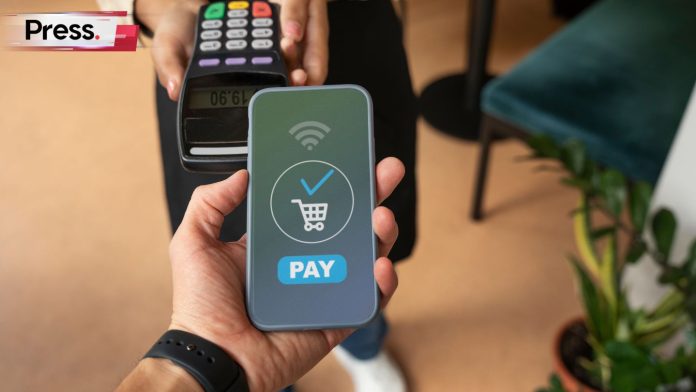
Online payments have become a core part of the customer experience. Whether you operate an e-commerce platform, SaaS product, or retail store, your checkout process directly affects conversion rates, customer trust, and revenue.
Malaysia’s fintech ecosystem has matured rapidly. Bank Negara Malaysia has strengthened payment licensing frameworks while local fintech companies continue expanding their capabilities to compete globally. Consumers today expect multiple payment options including FPX transfers, credit cards, DuitNow QR, and mobile wallets.
According to Bank Negara Malaysia, e-payment transactions reached 14.7 billion in 2024, which works out to around 409 e-payment transactions per person per year, clear evidence of Malaysia’s accelerating transition toward cashless commerce.
For businesses, choosing the right gateway is no longer just about accepting payments. It is about building a seamless digital experience that supports growth across online and offline channels.
Editorial Note: This list highlights payment gateways commonly used by Malaysian businesses based on publicly available features, integrations, and merchant adoption trends. Rankings reflect overall suitability for SMEs, e-commerce platforms, and digital businesses rather than price alone.
Sneak Peek Table: Top 10 Payment Gateways in Malaysia
Rank | Payment Gateway | Best For | Key Features | Estimated Transaction Fee |
1 | Paydibs | SMEs & fintech startups | FPX, cards, eWallets, API integrations, multi-currency | ~2–3% for cards and %/flat fees for FPX (customised by volume and plan) |
2 | Revenue Monster | Omnichannel retail | POS, QR payments, eWallet ecosystem, analytics | ~2.3%–2.8% + RM1 |
3 | ADAPTIS (iPay88 + eGHL) | Regional e-commerce | Enterprise gateway, cross-border payments | ~2.8%–3.3% + RM1 |
4 | Stripe Malaysia | Tech startups & SaaS | Advanced APIs, subscriptions, global cards | ~3.4% + RM1 |
5 | HitPay | Retail + e-commerce | POS integration, QR payments, payment links | ~2.5%–3.0% |
6 | SenangPay | Small businesses | Simple setup, WooCommerce support | ~2.8%–3.0% |
7 | PayPal | International sellers | Global checkout, buyer protection | ~3.9% + FX fees |
8 | Fiuu | Regional merchants | Southeast Asia payment coverage | ~2.7%–3.2% |
9 | 2C2P | Enterprise platforms | Payment orchestration, regional methods | Custom pricing |
10 | Airwallex | Global commerce | Multi-currency settlement, FX optimisation | ~2.6%–3.1% |
Disclaimer: Fees shown are approximate market estimates for Malaysian merchants. Actual pricing varies based on merchant volume, payment method, and negotiated agreements.
1. Paydibs
Best For: SMEs, fintech startups, and digital platforms that require flexible payment integrations and scalable payment infrastructure.

A regulated payment platform that is increasingly used by Malaysian SMEs and digital businesses.
Paydibs combines strong payment gateway infrastructure with developer-friendly tools that allow businesses to accept FPX transfers, credit cards, and major eWallets through a flexible API ecosystem. Companies can integrate Paydibs into websites, SaaS platforms, and mobile applications while managing transactions through a unified merchant dashboard.
In addition to online payment processing, Paydibs also supports mini POS systems, payment terminals, and ready-to-deploy e-commerce integrations. This allows merchants to accept payments both online and in physical locations using a single payment provider.
Its API-first architecture enables developers to build customised payment flows, while multi-currency settlement capabilities help businesses expand across ASEAN markets without relying on multiple payment providers.
Why It Works:
- BNM-licensed payment operator
- Developer-friendly REST APIs
- Multi-currency settlement support
- Mini POS and payment terminal solutions
- Ready-to-deploy e-commerce integrations
- Advanced merchant analytics
“Paydibs bridges the gap between payment technology and user experience, making it a natural fit for Malaysian SMEs and digital brands,” notes PRESS Digital’s PR team.
Businesses interested in exploring its integrations, merchant tools, and onboarding process can learn more on the official Paydibs payment gateway website.
2. Revenue Monster
Best for: Ideal for retailers, cafés, and service businesses that operate both online and offline and require an integrated commerce platform.

A rapidly growing omnichannel payment platform in Malaysia.
Revenue Monster focuses on connecting physical retail payments with digital transactions through an integrated ecosystem. Businesses can accept payments via DuitNow QR, FPX transfers, cards, and major eWallets while managing both in-store and online transactions within a unified system.
Beyond payment processing, Revenue Monster offers additional merchant tools including POS systems, digital invoicing, loyalty programmes, and customer engagement features. These capabilities help businesses streamline operations while improving customer experience across multiple sales channels.
This broader ecosystem approach makes Revenue Monster particularly attractive to retailers, cafés, and service businesses that want to combine payments, marketing, and customer management into one platform.
Key Strengths:
- Omnichannel POS and digital payment ecosystem
- Strong QR payment and eWallet integrations
- Customer loyalty and engagement tools
- Business analytics and reporting features
Businesses that operate both online and offline can explore the Revenue Monster omnichannel payment platform to learn more about its POS systems, QR payments, and integrated digital commerce tools.
3. ADAPTIS (iPay88 + eGHL)
Best For: Larger businesses operating across multiple ASEAN markets.

ADAPTIS represents the evolution of Malaysia’s legacy payment infrastructure by integrating the capabilities of iPay88 and eGHL into a broader enterprise payment platform.
The platform supports online payments, POS transactions, cross-border settlement, and merchant financing tools across Southeast Asia.
4. Stripe Malaysia
Best For: SaaS companies, tech startups, and developer-driven platforms.

The go-to choice for tech-savvy entrepreneurs.
Since its Malaysia launch, Stripe has become the benchmark for seamless API integration and automation. Perfect for SaaS or subscription-based models.
Why It’s Popular:
- Recurring billing and analytics dashboard
- Global currency support
- Developer-friendly architecture
Consideration:
Higher transaction fees, but justified by world-class infrastructure.
5. HitPay

For businesses blending offline and online transactions. HitPay integrates point-of-sale (POS) systems with e-commerce payments, giving full control over every customer interaction.
Features:
- QR-based payment options
- Inventory sync between POS and online store
- Accounting integration (Xero, QuickBooks)
Why It’s Gaining Ground:
Strong hybrid functionality for small retailers and café owners expanding online.
6. SenangPay

Built for local SMEs that prefer plug-and-play convenience. SenangPay simplifies online transactions for small retailers through pre-integrated shopping cart plugins.
Pros:
- Quick setup (within 24 hours)
- Support for credit/debit cards and FPX
- Mobile checkout compatibility
Limitations:
- Customisation is limited compared to Paydibs or Stripe
7. PayPal
Best For: Businesses selling internationally.

PayPal remains one of the most recognised global payment platforms.
It enables Malaysian businesses to accept payments from international customers across multiple currencies.
8. Fiuu (formerly Razer Merchant Services)
Best For: Businesses targeting regional Southeast Asian customers.

Fiuu, previously known as Razer Merchant Services, offers a regional payment infrastructure across Southeast Asia.
The platform supports cards, FPX transfers, and multiple digital wallets while enabling merchants to scale across regional markets.
9. 2C2P
Best For: Large enterprises and marketplaces.

2C2P is a regional payment provider widely used by large e-commerce platforms and financial institutions across Asia.
It supports a wide range of local payment methods and offers enterprise-grade payment orchestration.
10. Airwallex
Best For: Global e-commerce brands and international SaaS companies.

Airwallex provides a global financial infrastructure platform focused on cross-border commerce.
It allows businesses to collect payments in multiple currencies while managing international payouts and foreign exchange.
Are Payment Gateways in Malaysia Regulated by Bank Negara Malaysia?
Payment services in Malaysia operate within a regulatory framework overseen by Bank Negara Malaysia (BNM) under the Financial Services Act and Payment Systems regulations.
Payment providers that process transactions or facilitate electronic payments may operate under several regulatory structures depending on their business model. These include merchant acquiring, payment gateway services, and electronic money services.
BNM’s regulatory oversight helps ensure:
- Consumer payment security
- Financial system stability
- Fraud prevention and anti-money laundering compliance
Many established payment providers work with licensed acquiring banks or operate under regulated payment infrastructures.
For businesses choosing a gateway, working with providers that maintain strong compliance standards and partnerships with licensed financial institutions helps ensure secure and reliable payment processing.
Which Payment Gateway is Best For Your Business Type?
Choosing a payment gateway depends heavily on how your business collects payments. Different platforms are optimised for different business models.
Business Type | Recommended Gateway |
E-commerce store | Paydibs, ADAPTIS |
Retail shop or café | Revenue Monster, Paydibs, HitPay |
SaaS platform | Stripe, Paydibs, Airwallex |
Small service business | SenangPay, Paydibs |
International online business | PayPal, Airwallex |
Looking for Cheapest Payment Gateways in Malaysia? (Quick Overview)
Generally:
- FPX bank transfers are cheaper than card payments
- Local gateways usually charge around 3%–3% for cards
- International gateways may exceed 5% due to cross-border fees
Businesses starting their online journey may also benefit from Malaysia’s government-backed digitalisation programmes. For example, the Go-eCommerce initiative helps SMEs adopt e-commerce platforms, payment gateways, and logistics tools more easily.
Key Payment Trends in Malaysia’s Fintech Ecosystem (2026)
DuitNow QR Expansion: Malaysia’s unified QR system continues growing across retail and e-commerce.
Omnichannel Commerce: Businesses increasingly require payment platforms that support both POS and online transactions.
Buy Now Pay Later Growth: BNPL adoption continues rising among Malaysian consumers.
AI Fraud Detection: Payment providers are deploying machine learning to detect fraud and reduce transaction risk.
Cross-Border Fintech Collaboration: More Malaysian gateways are building partnerships across Southeast Asia.
PRESS Digital’s Perspective
At PRESS, Digital PR Agency, we help fintech companies and digital brands communicate trust, innovation, and credibility.
Payment infrastructure plays an important role in shaping customer confidence. Through digital PR, SEO, and strategic storytelling, businesses can position themselves as reliable players in Malaysia’s growing digital economy.
Conclusion
Payment gateways now play a central role in the digital economy.
For Malaysian businesses, the right gateway is not just about accepting payments but also about enabling seamless customer experiences, reliable transactions, and scalable growth.
As fintech innovation continues accelerating across Southeast Asia, businesses that invest in strong payment infrastructure will be better positioned to compete in the digital marketplace.