
Key Takeaway
- Starlink is now officially available in Malaysia, offering satellite internet across even the most rural areas.
- It bypasses traditional fibre networks using a constellation of low-earth orbit (LEO) satellites.
- A new Residential Lite plan at RM129/month now makes it more affordable.
- Starlink suits users in rural zones, mobile setups, or places with poor infrastructure.
- It’s not always faster than fibre, but it fills a crucial gap.
Table of Contents
ToggleStarlink is a satellite-based internet service developed by SpaceX. Instead of relying on ground cables or fibre optics, it delivers internet through thousands of satellites orbiting just 550 km above Earth, far lower than traditional satellite systems.
Malaysia has long struggled with last-mile connectivity in remote areas. Even in 2025, places like rural Sabah, interior Sarawak, and deep Felda zones in Peninsular Malaysia still lack reliable broadband.
Starlink solves this by beaming high-speed internet directly to a dish on your property, no need for cable trenches or towers.
Who Is Starlink Best For in Malaysia?
Starlink isn’t for everyone. It’s a targeted solution for those living or working in areas with poor interconnectivity, not a blanket replacement for fibre.
Ideal For:
- Rural households or farms with no fibre or mobile coverage
- Mobile setups (digital nomads, camper vans, maritime users)
- Construction sites, oil & gas, or remote monitoring stations
- Educational or community centres in underserved areas
Not Ideal For:
- Fibre users in cities (Unifi, TIME are still faster and cheaper)
- Gamers who need ultra-low latency
- Budget-conscious users in well-connected areas
How Does Starlink Work in Malaysia?
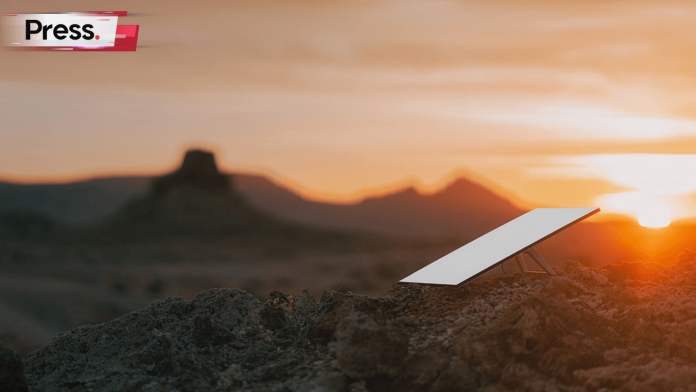
Starlink works by installing a satellite dish (Standard V4 kit) at your home, which connects to orbiting satellites. These satellites then route your data back to ground stations and the global internet backbone.
Key Components:
- Starlink Dish: Self-aligning, connects to LEO satellites
- WiFi Router: Included in hardware kit
- Mobile App: Monitors performance and setup
- Cloud Backend: Ensures latency and speed optimisation
Once installed, the system auto-adjusts to get the best signal, no technician needed. Setup takes under 30 minutes and you’re good to go.
How Much Does Starlink Cost in Malaysia?
Starlink offers two main plans in Malaysia:
Plan | Monthly Price | Download Speed | Upload Speed | Data Limit |
Residential | RM220 | 100–250 Mbps | 20–40 Mbps | No cap |
Residential Lite | RM129 | 45–130 Mbps | 10–20 Mbps | No cap |
Hardware Cost:
- Standard V4 Kit: RM1,600 (one-time fee)
- Available via official Starlink site or dealers like Redtone, MEASAT, SenHeng, TMT
Plan Flexibility:
- You can upgrade or downgrade via your Starlink account or mobile app.
- No contracts or early termination fees.
While RM129 is higher than Unifi’s budget packages, it’s a breakthrough for areas with no service at all.
Where Can You Buy Starlink in Malaysia?
You can purchase Starlink directly from the official site or via local authorised resellers.
Resellers include:
- Redtone
- MEASAT
- SenHeng
- TMT
- AllStar
- Select Shopee/Lazada certified stores (Be wary of this)
Always check if the dealer is listed on Starlink’s Malaysia page to avoid counterfeits.
When Should You Consider Switching to Starlink?
Before subscribing and pulling out your credit card, evaluate whether your situation truly calls for satellite internet. Here are the key considerations:
1. Do You Have No Fibre or 4G/5G Internet Options?
If fixed-line broadband or mobile data doesn’t reach you, Starlink fills that gap.
- Many rural towns in Sabah, Sarawak, and Felda regions still lack fibre or 4G signal.
- Starlink bypasses the need for terrestrial towers or cable trenches.
- It delivers fast, stable internet even in hilly or remote kampung areas.
If your home or business constantly relies on patchy mobile data, this could be a life-changing upgrade.
2. Is Your Business or Home in a Remote Area?
Starlink is ideal for off-grid or semi-urban setups.
- Farms, plantations, resorts, and rural B&Bs can now offer guest WiFi.
- Construction or oil & gas sites can maintain real-time data flow.
- Teachers, students, and teleworkers in underserved districts gain access to stable internet.
It creates new opportunities for growth. Once connected, businesses can finally market themselves on a larger scale.
For instance, a remote eco-resort can now effectively engage with travel media, a challenge that PR agency specialize in solving.
3. Are You Willing to Invest Upfront for Long-Term Access?
The hardware kit costs RM1,600 but after that, it’s plug-and-play.
- You won’t need technicians, trenching, or telco approvals.
- Once set up, there are no lock-in contracts or hidden charges.
- Residential Lite at RM129/month offers long-term affordability for low-data users.
If you see internet as a long-term necessity, the one-time cost pays off in the long run.
If you answered “yes” to at least two of the questions above, Starlink is probably your best option.
Why Starlink Isn’t Perfect (Yet)
Starlink is revolutionary, but it’s not without its drawbacks. While it solves major issues for rural connectivity, some limitations may affect performance or usability, especially in Malaysian weather and infrastructure conditions.
Rain Fade: Satellite Signal Can Dip in Storms
Much like how your favourite Astro drama goes patchy when it rains, heavy rain or thunderstorms will affect Starlink’s connectivity.
- Known as “rain fade,” this is common with satellite systems.
- During intense downpours, speeds may drop or lag slightly.
- The good news? It usually resolves itself within minutes after the rain eases.
Latency: Not as Low as Fibre
Expect ping times of 40–70ms. Decent, but not ideal for gamers.
- For reference, fibre internet averages 5–10ms in Malaysia.
- Starlink’s higher orbit compared to 5G/fibre means slightly delayed data transfer.
- Still fast enough for video calls, streaming, and cloud tools.
Power Requirements: Needs Electricity to Run
Unlike mobile data which works during blackouts (via battery), Starlink needs power.
- The dish and router both require a stable power source.
- During a power cut, internet access is lost unless you have a generator or UPS.
- This would be a primary concern in areas with frequent outages.
No Localised Customer Support Yet
Support is currently handled online, no local hotline or store.
- Queries are managed via Starlink’s app or email-based support.
- Malaysian authorised dealers may help with hardware, but not subscriptions.
- This can be frustrating for users unfamiliar with self-service platforms.
Fibre vs Starlink: Which One Makes Sense for You?
Feature | Fibre Broadband | Starlink Satellite Internet |
Speed Consistency | Stable speeds, little weather interference | Varies during heavy rain (rain fade) |
Latency | Ultra-low (5–10ms) for gaming/video calls | Moderate (40–70ms), suitable for daily use |
Coverage | Best in urban/suburban areas | Best in rural/remote zones with no cell towers |
Installation Time | May take weeks or unavailable in rural zones | Quick setup once equipment arrives |
Monthly Cost (2025) | ~RM100–150 for mid-range fibre plans | RM129 (Lite) or RM220 (Standard) + RM1600 hardware |
Weather Impact | Unaffected by rain | May slow down during thunderstorms (rain fade) |
Backup Power Needed? | No (usually runs on home electricity) | Yes (needs power, no battery fallback) |
Support Access | Local ISPs, call centres, physical shops | Online-only (via app or portal) |
Read more: PixVerse AI in Malaysia (2025): A Guide to Creating Viral Videos
Starlink Malaysia: Is it Worth It?
If you’re in a connectivity dead zone, then yes, it’s not just worth it, it’s revolutionary.
But if you already enjoy fast, affordable fibre or mobile internet, you won’t gain much. Starlink’s value lies in bridging Malaysia’s digital divide.
Starlink won’t replace fibre, but it’s the first real solution for those who’ve waited years for even basic internet.
Legal Disclaimer: All brand names, trademarks, and logos displayed on this website are the intellectual property of their respective owners. Their use herein is solely for identification purposes without written consent or direct affiliation from the respective owner.
Frequently Asked Questions About Starlink Malaysia
Is Starlink available across Malaysia?
Yes, including Sabah, Sarawak, and rural Peninsular Malaysia.
Does Starlink Work During Heavy Rain?
It may experience short signal drops, but overall performance remains usable.
Can I Use Starlink On A Moving Vehicle?
Only with the Starlink Roam or Mobility package (not available for Residential plans).
Is There A Contract For Starlink Malaysia?
No. You pay monthly and can cancel anytime.
Can I Downgrade From Standard To Lite?
Yes, though not officially stated, users report this works via the app.
How Fast Is Starlink Compared To Fibre?
Fibre is still faster and more stable, but Starlink wins where fibre can’t reach.