Key Takeaway
- Wide shoulders with developed delts create the V taper physique.
- Focus on side and rear delts for width, not just pressing strength.
- The most effective moves: overhead press, lateral raises, face pulls, and shrugs.
- Avoid common mistakes like ego lifting or neglecting rear delts.
- Training 2x per week with proper form ensures long-term growth.
Table of Contents
ToggleWhat Is The Best Shoulder Workout For A V Taper?
The best V taper shoulder workout prioritises side and rear delt growth with a mix of presses and raises.
- Overhead presses build mass and strength.
- Lateral raises widen the shoulders visually.
- Face pulls and rear delt flys create balance and posture.
- Shrugs add trap thickness for upper-frame dominance.
The V taper illusion comes from broad shoulders narrowing down to the waist. Side and rear delts are key for that wide look.
Why Should You Train Your Shoulders For Shape, Not Just Strength?
Strength-only routines often lead to blocky shoulders without width.
- Daily life in Malaysia already engages the front delts (carrying groceries, pushing doors, leaning forward at the office).
- To stand out physically—whether in a gym selfie at Mont Kiara or at the beach in Langkawi—you need side delt development.
- Balanced shoulders also help with posture, preventing the rounded-forward look after hours of KL traffic.
The reason is simple: training all three heads ensures both strength and aesthetics, avoiding imbalances.
Which Shoulder Exercises Target The V Taper?
Not all shoulder moves create the same visual impact. Some build mass, others shape width, and a few keep your posture balanced. Here’s the breakdown.
Mass Builders
These lifts add overall size to your delts, giving your frame the foundation for a stronger V taper.
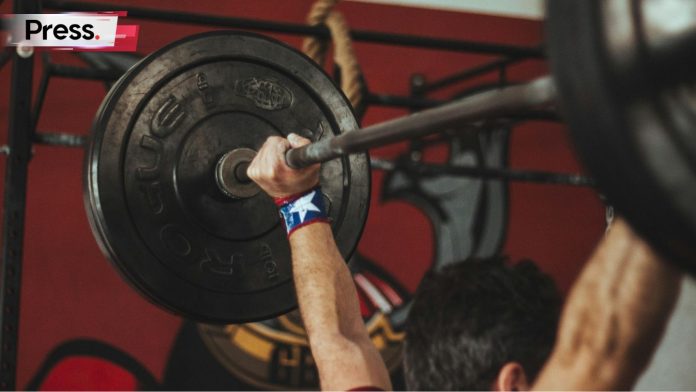
Overhead Barbell Press
- How to perform: Grip the bar slightly wider than shoulders, press it overhead without locking elbows fully, then lower with control.
- Why it works: Engages all three heads of the deltoids, with emphasis on the front and side, making shoulders look fuller.
Dumbbell Shoulder Press
- How to perform: Sit upright, dumbbells at shoulder height, press overhead in a controlled arc, then lower slowly.
- Why it works: Allows a natural range of motion, reducing joint strain while building balanced mass.
Arnold Press
- How to perform: Start with dumbbells in front of your chest, palms facing you. Rotate palms outward as you press overhead, then reverse on the way down.
- Why it works: Adds rotation to recruit all parts of the shoulders, especially the front delts, while maintaining tension.
Width & Shape Builders (V Taper Focus)
These isolate the lateral delts—the muscles that create the wide-shoulder look.
Dumbbell Lateral Raise
- How to perform: With a slight bend in elbows, raise dumbbells to shoulder height, pause, and lower slowly.
- Why it works: Directly targets side delts, the key muscle group for creating broad shoulders.
Cable Lateral Raise (Constant Tension)
- How to perform: Using a low cable pulley, raise the handle outward until shoulder height, keeping movement slow and steady.
- Why it works: Cables maintain tension throughout, ensuring the side delts stay activated from bottom to top.
Dumbbell Upright Row (Light to Moderate)
- How to perform: Grip dumbbells with palms facing thighs, pull them up to mid-chest, elbows higher than wrists, then lower smoothly.
- Why it works: Builds both traps and delts, but using moderate weight avoids impingement risk while shaping upper shoulders.
Rear & Stability Work (Posture + Symmetry)
These moves keep your physique balanced, ensuring your V taper doesn’t collapse forward.
Face Pulls
- How to perform: Attach a rope to a high cable pulley, pull toward your face with elbows flaring outward, squeeze at the end.
- Why it works: Strengthens rear delts and upper back, improving posture and shoulder stability.
Rear Delt Flys
- How to perform: With dumbbells, hinge forward slightly, lift arms out to the sides until shoulder level, then lower slowly.
- Why it works: Isolates the rear delts, helping prevent rounded shoulders and completing the three-dimensional look.
Incline Dumbbell Reverse Fly
- How to perform: Lie chest-down on an incline bench, raise dumbbells out to the side until level with shoulders, then lower slowly.
- Why it works: Fixes momentum issues common in standing flys and keeps rear delts under tension longer.
Bad vs. Good Example
Lateral Raise Execution
❌ Bad:
- Swinging dumbbells with momentum.
- Shrugging traps instead of isolating delts.
- Using weights too heavy for controlled form.
✅ Good:
- Slight bend in elbows, raise to shoulder height.
- Control tempo up and down.
- Keep shoulders relaxed, lead with elbows.
The difference is clear: sloppy raises waste energy and strain traps, while proper form builds the side delts that make shoulders appear wider.
Read more: Biceps Workout: Building Bigger, Stronger Arms
What’s The Best Rep Range For Shoulder Aesthetics?
For V taper-focused growth, train 8–12 reps for hypertrophy, with higher volume on side and rear delts.
- Presses: 4×8 (heavy enough to build mass).
- Lateral raises: 3–4×12–15 (higher volume for growth).
- Rear delt flys/face pulls: 3×12–15 (posture + shape).
The reason it works: delts respond well to moderate loads and controlled volume. Side and rear heads, in particular, grow best when time under tension is maximised.
V Taper Shoulder Workout Plan
Here’s a 3-day rotation tailored for shoulder width and shape:
Day | Exercise | Sets x Reps | Focus |
Day 1 | Overhead Press | 4×8 | Mass & Strength |
Dumbbell Lateral Raise | 4×12 | Width | |
Face Pulls | 3×15 | Rear Delts | |
Day 2 | Arnold Press | 3×10 | Mass & Mobility |
Cable Lateral Raise | 3×15 | Constant Tension | |
Incline Reverse Fly | 3×12 | Rear Delts | |
Day 3 | Dumbbell Press | 4×8 | Strength |
Upright Row (light) | 3×12 | Side/Traps | |
Shrugs | 4×15 | Upper Traps |
One-Day V Taper Shoulder Workout Plan
If you can only train shoulders once a week, focus on exercises that hit all deltoid heads while maintaining proper form and volume.
Exercise | Sets x Reps | Focus |
Overhead Dumbbell Press | 4×8 | Mass & Strength |
Arnold Press | 3×10 | Front & Side Delts |
Dumbbell Lateral Raise | 4×12 | Side Delts / Width |
Cable Lateral Raise | 3×15 | Constant Tension / Shape |
Face Pulls | 3×12–15 | Rear Delts / Posture |
Rear Delt Fly | 3×12 | Rear Delts / Symmetry |
Shrugs | 3×15 | Upper Traps / Frame |
How to structure the session:
- Start with compound presses (overhead or Arnold) to hit all delts while you’re fresh.
- Follow with lateral raises for width—higher reps to really stimulate the side delts.
- Finish with rear delt and trap exercises to maintain posture and balance the V taper.
- Rest 60–90 seconds between sets; keep controlled tempo to maximise tension.
The reasoning: Even in a single session, this plan covers all three heads of the deltoid and traps. By sequencing from heavy compounds to isolation, you fatigue the muscles optimally for growth and shape without overtraining.
How Do You Avoid Common Mistakes In Shoulder Training?
- Don’t chase heavy weights. Form matters more than load.
- Don’t neglect rear delts. They complete the taper and protect posture.
- Don’t overtrain front delts. They already get hit during chest workouts.
The impact is straightforward: avoid these errors, and you’ll prevent injuries while achieving a wider, balanced upper frame.
Can You Build A V Taper Shoulder At Home?
Yes—Malaysians without gym access can still train effectively:
- Bodyweight: Pike push-ups, wall handstand holds.
- Bands: Band lateral raises, face pulls.
- Household hacks: Water bottles or Milo tins for raises.
This works because: delts don’t need extreme loads to grow. Consistent tension at the right angle is enough to stimulate muscle development.
Malaysian Daily-Life Context
- Office posture: Hours on laptops at cafés in Bangsar strain shoulders—rear delt work restores alignment.
- Long commutes: Johor–Singapore causeway waits or Federal Highway jams leave shoulders tight; mobility warm-ups help.
- Evening mamak sessions: Stretch between teh tarik refills to counter slouching.
- Weather factor: Humidity increases fatigue—hydration keeps muscles performing.
Conclusion
Building a V taper shoulder is about balance: pressing for size, lateral raises for width, and rear delt work for posture. Train consistently, avoid common mistakes, and focus on controlled form.
At Press.com.my, the PR Agency in Malaysia, we don’t just talk about building strong shoulders—we help Malaysian brands build strong visibility. If you’re ready to grow your reach the same way you grow your physique, let’s make your message stronger together.
Disclaimer: All of the content was thoroughly fact-checked and verified by our editorial team to ensure accuracy, clarity, and reliability.
FAQs About Shoulder Workout
What’s The Best Shoulder Workout For A V Taper?
Overhead presses, lateral raises, and rear delt flys. Prioritise side and rear delts for maximum width.
How Many Times Should I Train Shoulders Weekly?
Twice per week is ideal. Overtraining risks strain, undertraining stalls progress.
Do I Need Heavy Weights For Broad Shoulders?
Not always. Side and rear delts grow best with moderate weights and higher reps.
Can Shoulder Workouts Improve My Posture?
Yes. Rear delt and trap training prevent slouching common from desk jobs and driving.
Which Shoulder Exercise Adds The Most Width?
Lateral raises are the top choice—they directly target side delts for broad shoulders.